March 2026
The Hidden Reliability Problem in AI Agents
Why testing before production is more fragile than it looks.
- Agents aren’t a single model — they’re a system.
- Probabilistic behavior makes “pass/fail” testing brittle.
- Tools + context amplify drift and long-tail failures.
AI agents feel like “a model with a prompt,” but enterprise-grade agents are more like layered, stateful products. The reliability gap shows up when teams rely on pre-production testing practices built for deterministic software.
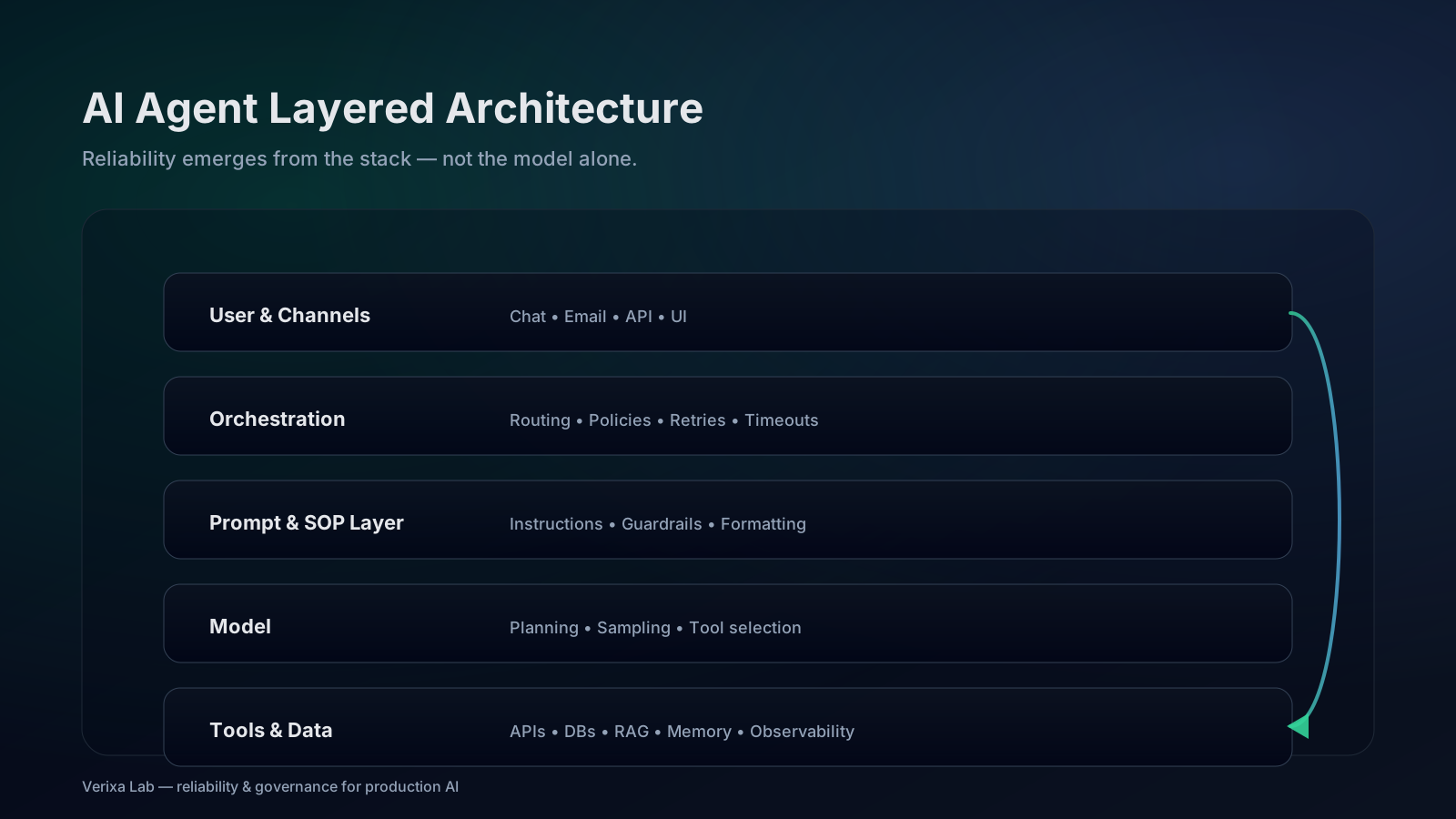
1) Agents Are Layered Systems, Not Single Models
Production agents are layered systems with prompts, tools, memory, retrieval, orchestration logic, and safety filters. Reliability emerges from the interaction between layers — not from the model alone.
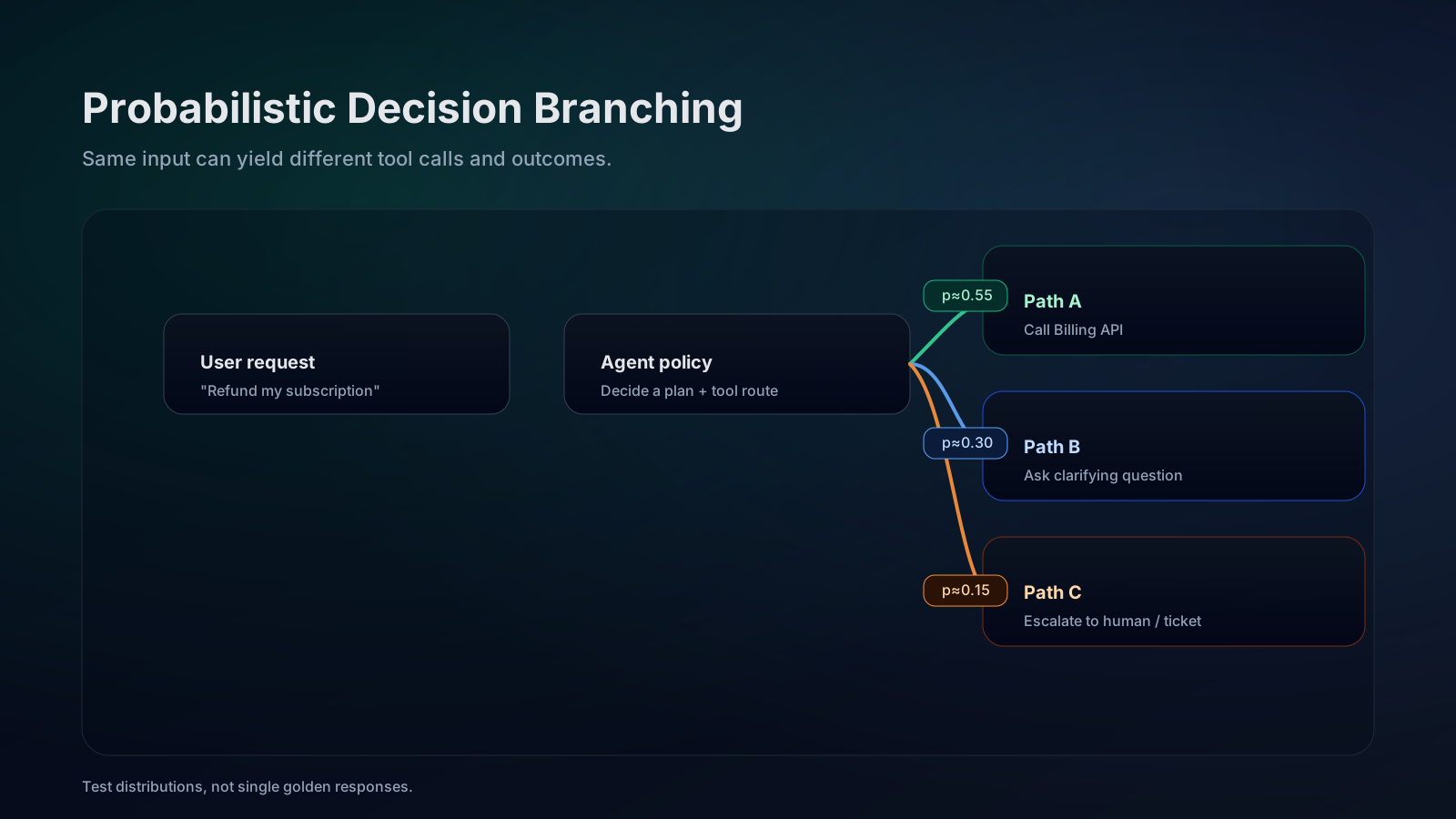
2) Same Input ≠ Same Behavior
Agents are probabilistic. Identical inputs can produce different decisions (tool calls, branching paths, and final responses). That means “it passed once” is not evidence it will pass in production.
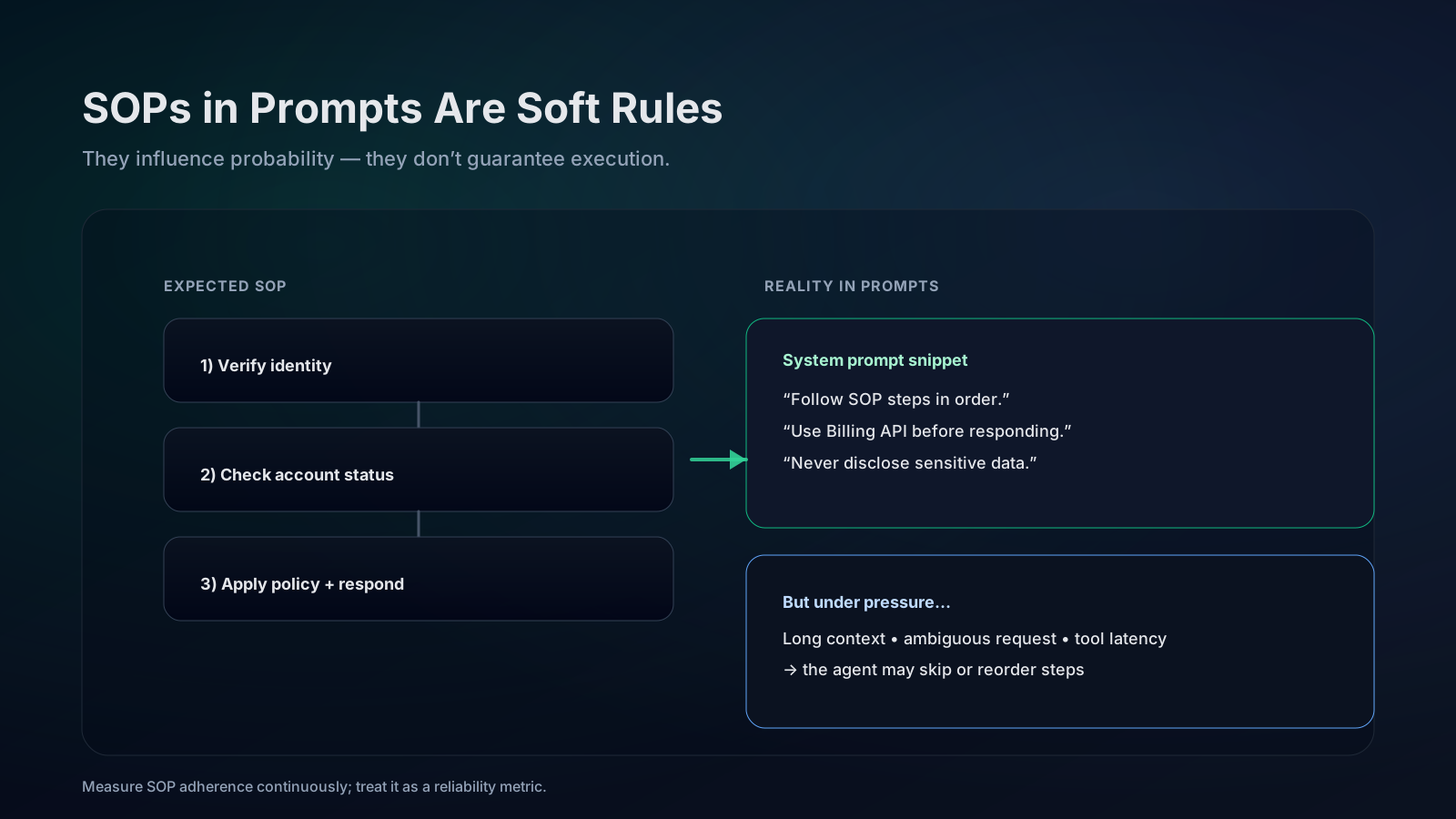
3) SOPs Inside Prompts Are Soft Rules
Putting Standard Operating Procedures (SOPs) in natural-language prompts doesn’t enforce them — it nudges probability. Instruction-following drifts under pressure: longer context, ambiguous user inputs, or tool errors.
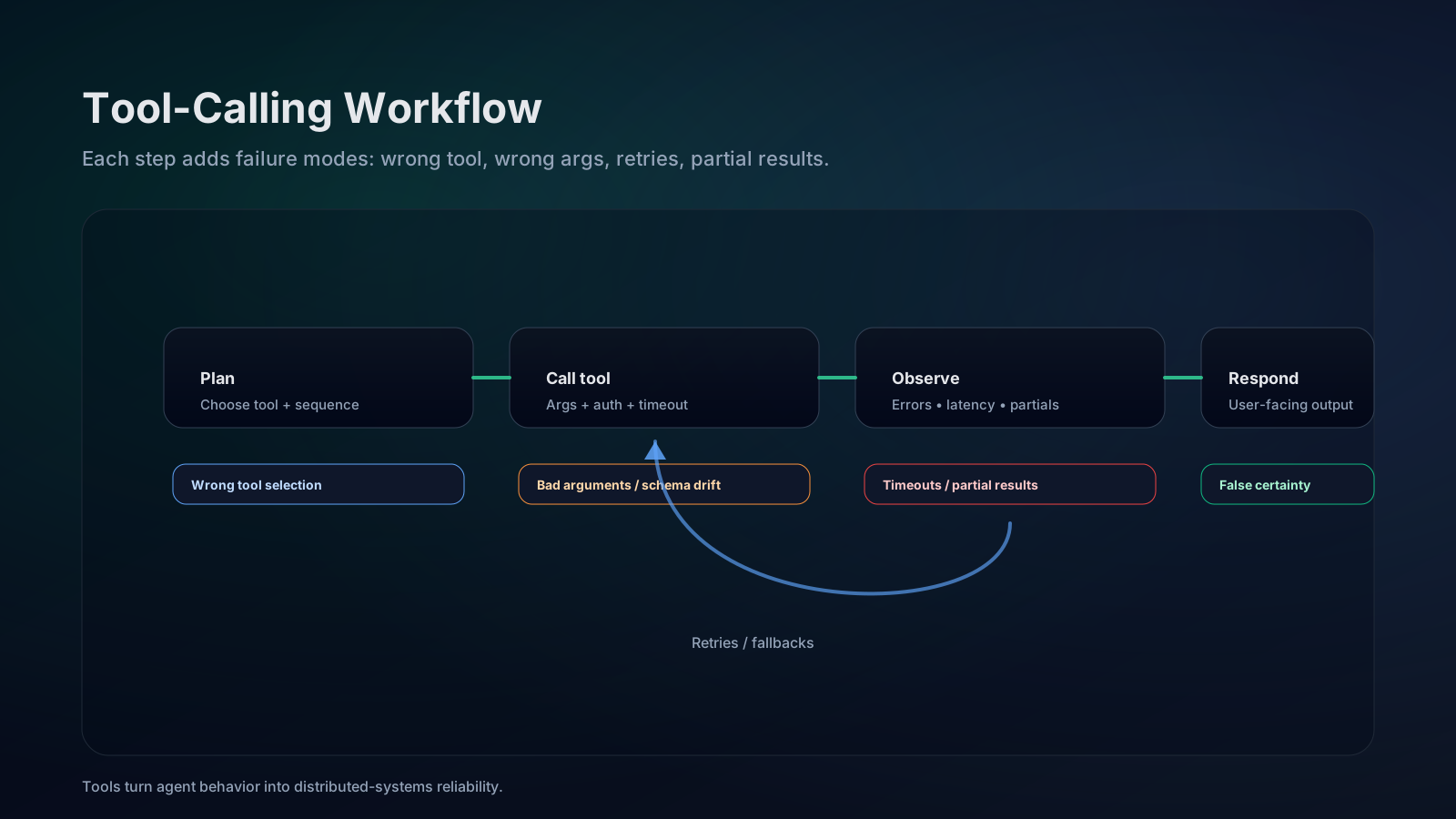
4) Tools Multiply Failure Modes
Tool selection and sequencing introduce new failure modes: wrong tool choice, wrong arguments, retries, partial results, or silently inconsistent tool behavior. The agent’s behavior can degrade even when the model is “fine.”
5) Context Makes Behavior Drift
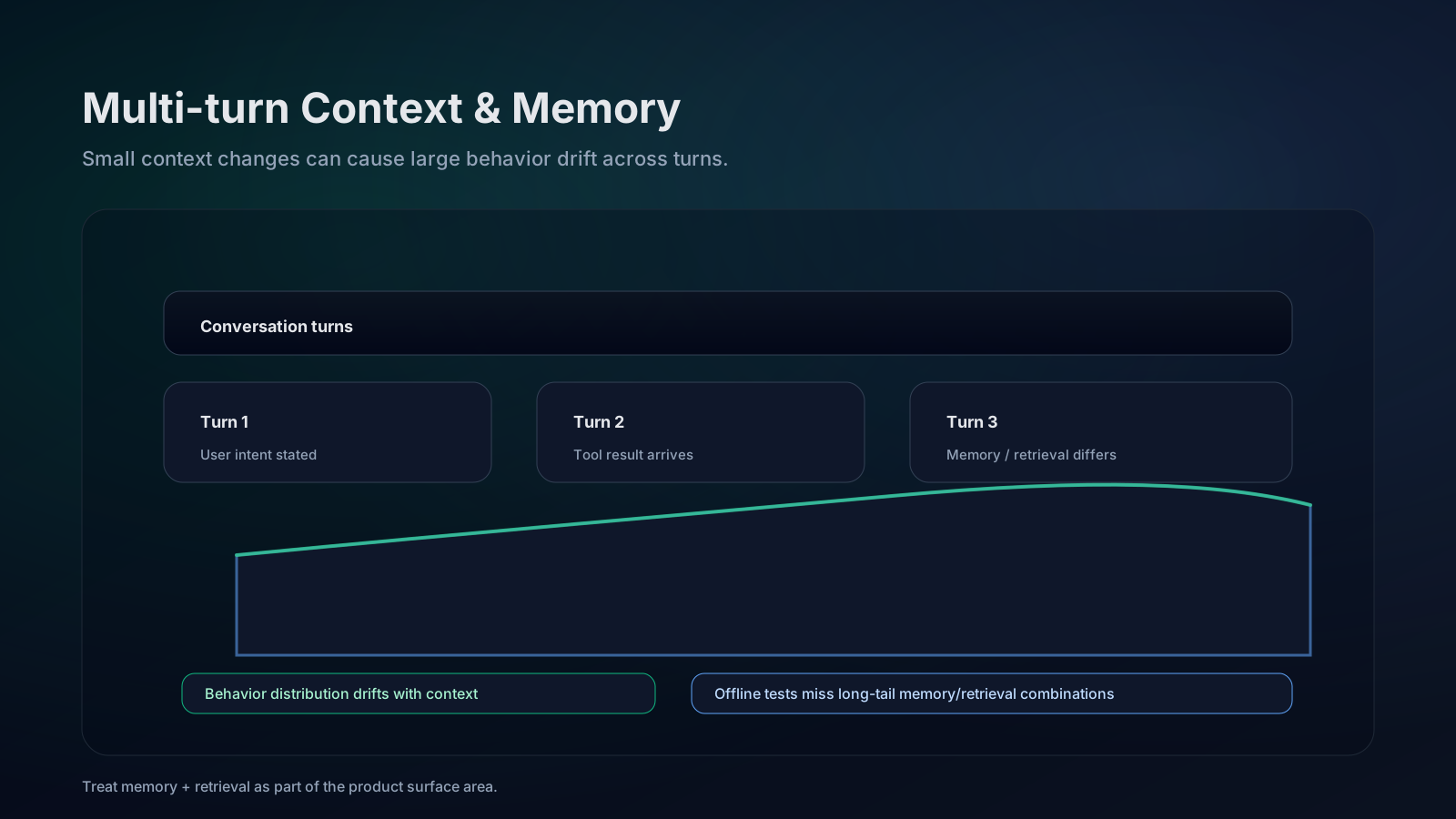
Conversation history and state make behavior context-sensitive. Small differences in memory, retrieval results, or system messages can produce noticeable drift. This is why offline test prompts often miss production failures.
The Core Tension
Enterprises expect deterministic behavior. Agents are probabilistic and stateful.
The way out is not “test less,” but to test like a production system: evaluate distributions, tool behavior, and long-tail contexts continuously — and add guardrails so upgrades don’t silently break customer workflows.